Student Researcher in Neuroscience and Machine Learning
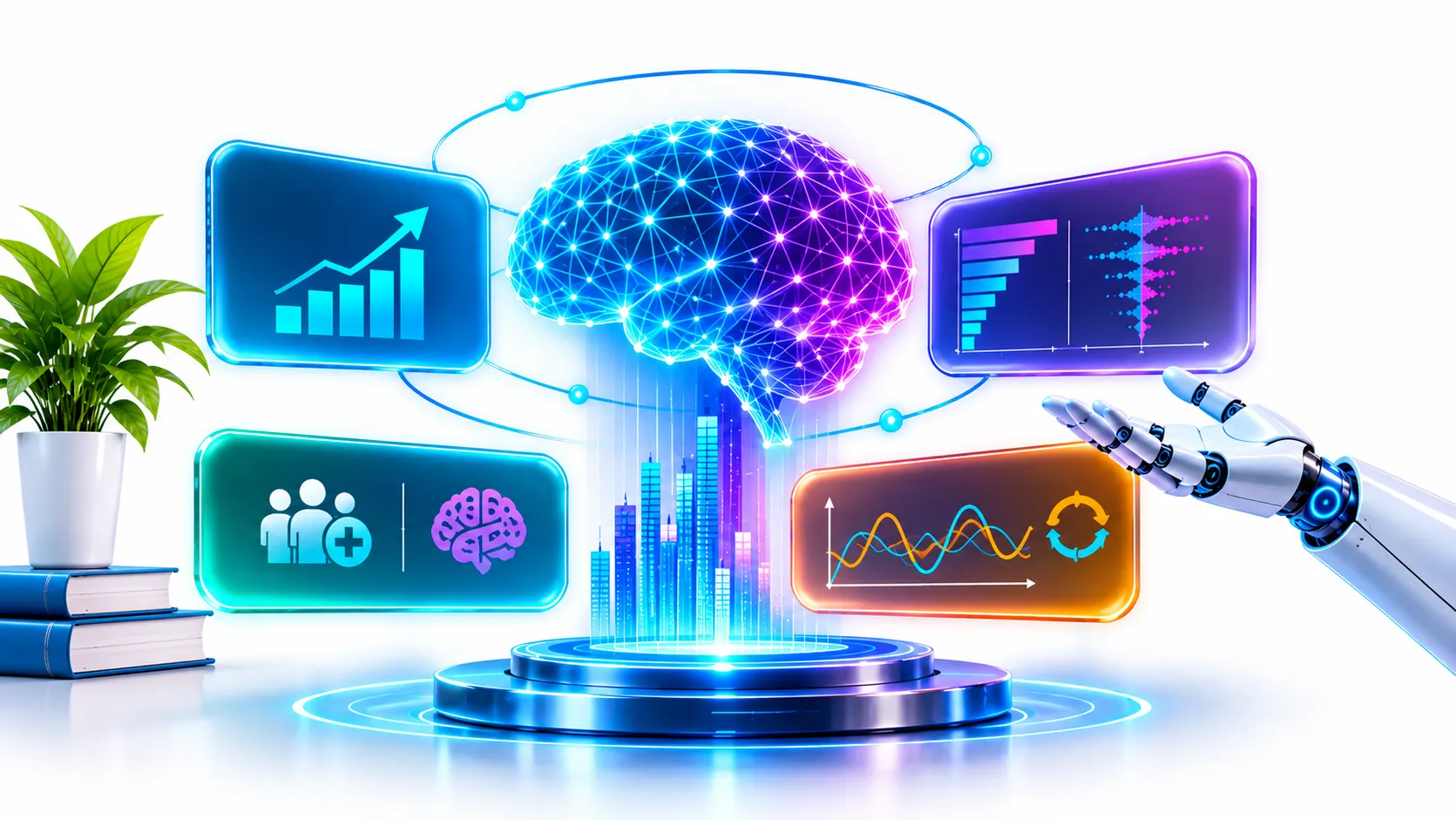
I build transparent, non-invasive computational tools to study early cognitive similarity to Alzheimer’s and make neurodegenerative risk screening accessible.
I am an 11th-grade student researcher at Tesla STEM High School in Redmond, Washington, focusing on computational neuroscience, machine learning, and health informatics.
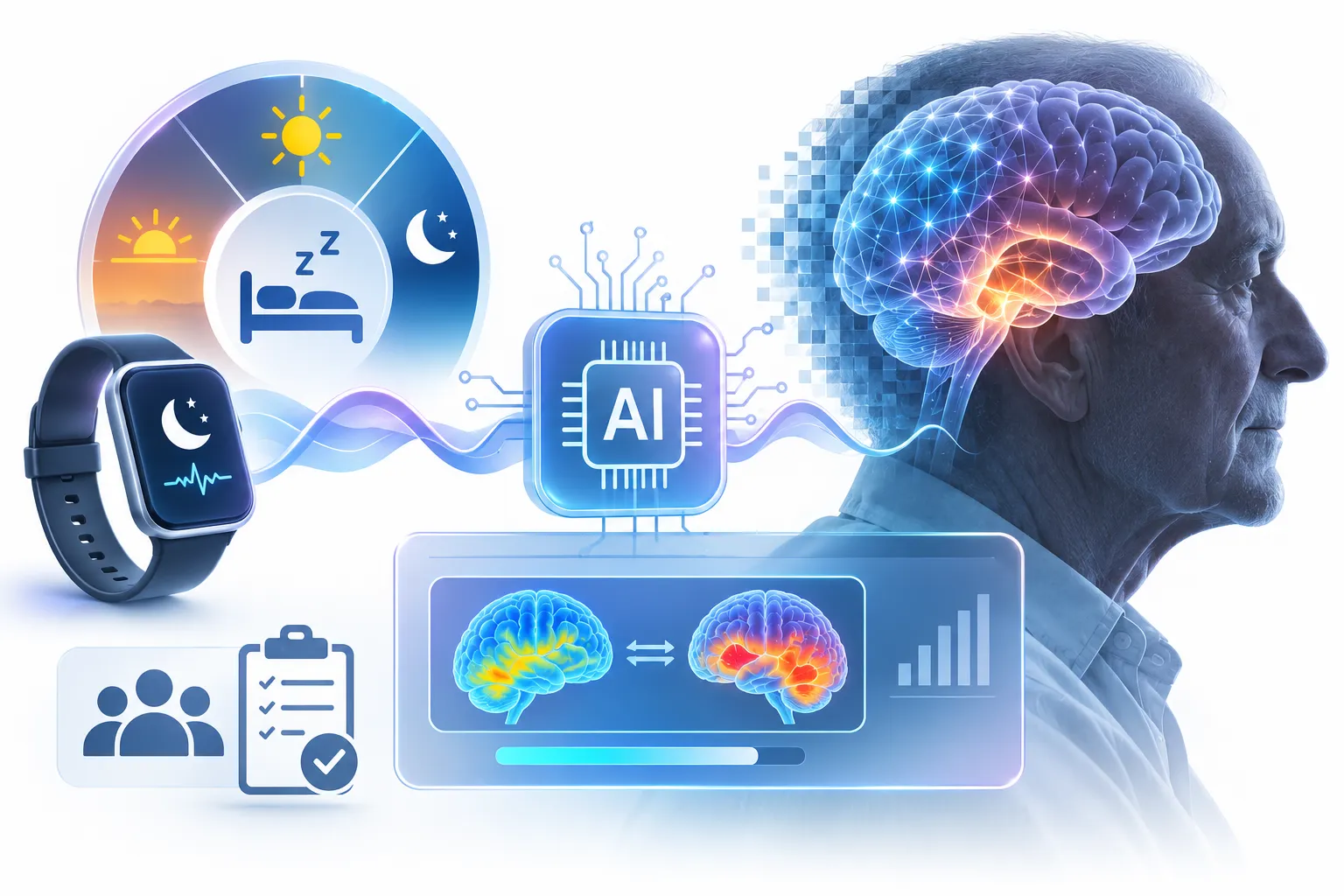
My work centers on an urgent clinical bottleneck: traditional early detection for neurodegenerative diseases relies on expensive, invasive technologies like amyloid PET scans or cerebrospinal fluid analysis, leaving routine screening out of reach until symptoms are undeniable. To address this, I investigate whether accessible, device-free behavioral and circadian data—specifically chronotype and multi-domain cognitive profiles—can serve as transparent early indicators during the preclinical window.
That research question drove me to design a 319-person longitudinal study, formulate a mathematically transparent Cognitive Similarity Score (CSS), publish a sole-author paper at ISASF 2026 (IEEE-listed), and develop ADChronotype, a production mobile app built for family caregivers. Across both my independent studies and my wet-lab work tracking mouse behavior in Dr. Tang’s lab at Seattle Children’s Research Institute, I am driven by a core principle: science has answers, but true impact depends on building bridges so those answers actually reach the people who need them.
Outside of research, I serve as Vice President of Accessible Science, organize the NAMI Walk to support mental health advocacy, coach peers for the Brain Bee, and teach elementary schoolers about the nervous system.
Featured Project
ADChronotype
RoleSole Developer and Founder
Timeline2025 to present
StatusLive on the Apple App Store and Google Play
ADChronotype is a free, device-free mobile application built with React Native and Expo that translates complex sleep timing and lifestyle data into actionable, plain-language insights. Grounded in modifiable risk factors from the 2024 Lancet Commission report, the app provides a two-phase architecture.
01
Early Risk & Education
Collects multi-week sleep and lifestyle metrics to compute a transparent, research-based score, complete with detailed explanations of factor contributions and strict disclaimers that it provides risk education rather than clinical diagnosis.
02
Longitudinal Research & Data
Everything collected operates under strict privacy safeguards and feeds a secure open dataset on circadian sleep timing and modifiable cognitive risk.
Everything collected operates under strict privacy safeguards and feeds a secure open dataset on circadian sleep timing and modifiable cognitive risk.
Note: A US non-provisional patent application has been filed covering the underlying methodology.
Research
Scoping stage
Research extension
Speech-Based Cognitive Screening via Acoustic Feature Extraction
View Details
Sole-author human subjects study
Explainable AI-Based Chronotype Modeling for Non-Invasive Alzheimer’s Cognitive Similarity Assessment
View Details
in progress
Independent public-health analysis
NHANES Two-Model Comparative Experiment
View Details
Mentored laboratory research
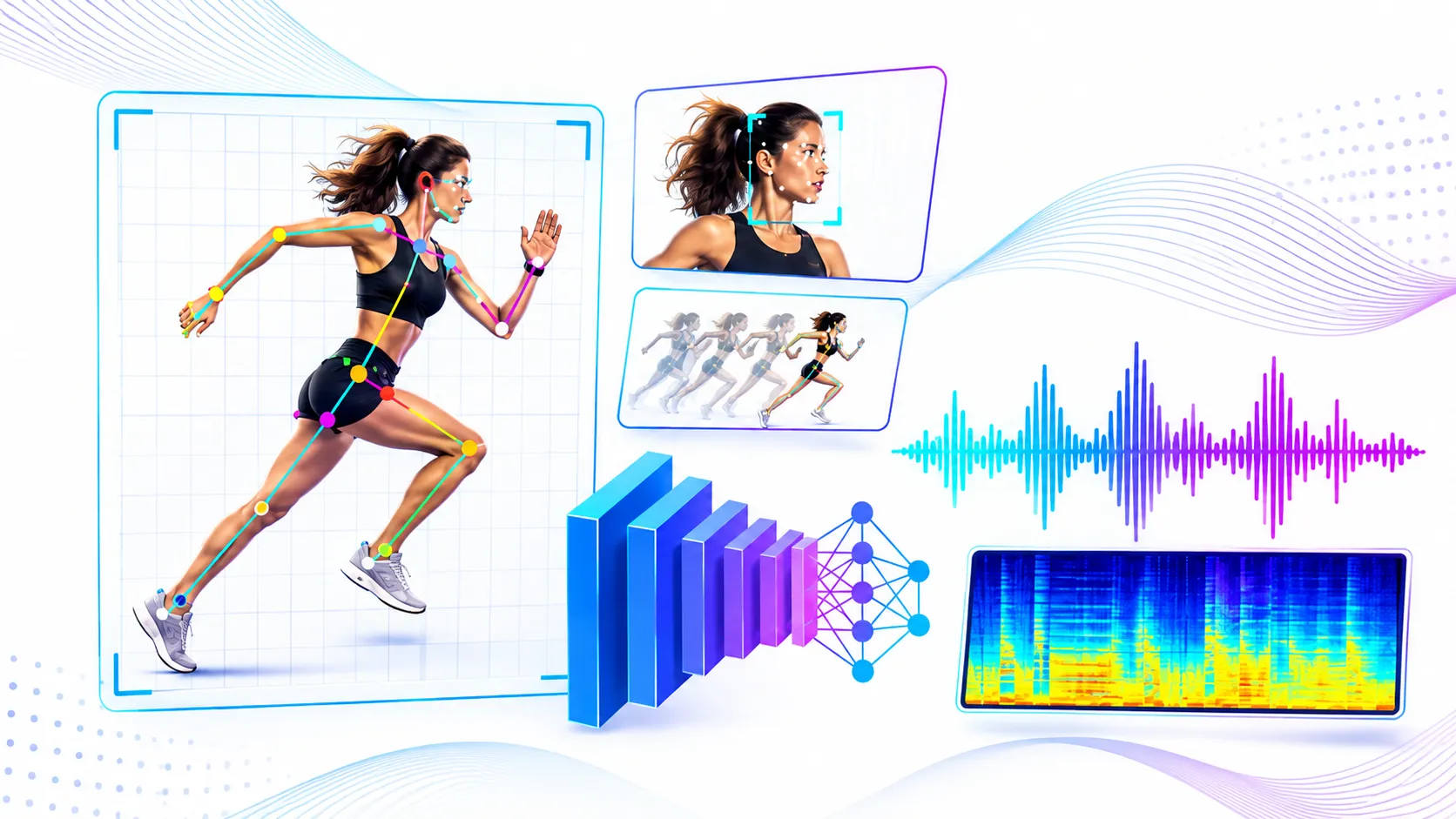
Automated Open-Field Behavior Analysis in Mice Using DeepLabCut Pose Tracking with Manual Validation
View Details
Research extension
Speech-Based Cognitive Screening via Acoustic Feature Extraction
Scoping an exploratory computational pipeline utilizing librosa to extract high-dimensional acoustic features from picture-description voice recordings, investigating whether vocal markers capture early markers of cognitive decline that traditional questionnaires fail to detect.
Sole-author human subjects study
Explainable AI-Based Chronotype Modeling for Non-Invasive Alzheimer’s Cognitive Similarity Assessment
Institution
Accepted at ISASF 2026, an IEEE-listed conference technically co-sponsored by the IEEE NSW Section at Western Sydney University (Record No. 71476)
Timeline
September – November 2026
To investigate whether circadian preference carries a neurodegenerative signal without relying on invasive diagnostics, I designed a 3-week longitudinal protocol examining 319 adults aged 40 to 60. Participants completed daily sleep logs and a rigorous four-domain cognitive battery (episodic memory, attention, working memory, and executive inhibition).
To evaluate risk transparently, I developed a mathematically grounded Cognitive Similarity Score (CSS) by mapping standardized performance against published Alzheimer’s benchmarks into a four-dimensional Euclidean space scaled from 0 to 100. Training an Extreme Gradient Boosting (XGBoost) regressor yielded a 5-fold cross-validation RMSE of 12.95, outperforming nine regression baselines.
Using SHAP (SHapley Additive exPlanations) across 30 bootstrap resamples, I resolved a critical population-averaging paradox: while global chronotype importance appeared modest, category-resolved analysis revealed a sharp directional split where definite eveningness significantly shifted predicted Alzheimer’s similarity upward (+3.767) while morningness produced a negative shift (−0.945).
Methodological rigor was maintained by resolving data-leakage pitfalls through participant-level row-averaging and receiving critical peer review via cold-email consultations with researchers like Dr. Jeff Jones (Texas A&M) and Dr. Keith Hengen (WashU).
319Adults, aged 40–60
12.955-fold CV RMSE (XGBoost)
+3.767Eveningness SHAP shift
−0.945Morningness SHAP shift
Independent public-health analysis
NHANES Two-Model Comparative Experiment
Using the 2011–2014 NHANES public datasets, I am evaluating two predictive machine learning architectures side-by-side: one utilizing standard Lancet modifiable risk factors alone, and a second augmented model incorporating high-resolution sleep timing and chronotype metrics to test whether circadian misalignment provides independent predictive power for cognitive performance.
Mentored laboratory research
Automated Open-Field Behavior Analysis in Mice Using DeepLabCut Pose Tracking with Manual Validation
Institution
Tang Lab, Seattle Children’s Research Institute
Timeline
August 2026 to present
In Professor Tang’s lab, I manage the open-field arm tracking circuit-level learning mechanisms in mice. I manually labeled 200 frames across nine body points to train a ResNet-50 pose-estimation model in DeepLabCut’s PyTorch engine (mAP 94.2).
I wrote a custom downstream Python pipeline in Google Colab to handle confidence filtering, gap interpolation, median smoothing, jump filtering, and automated arena boundary detection.
To ensure scientific validation rather than blind trust, I built a browser-based manual scoring tool, hand-scored nine recordings (~18,000 frames each), and demonstrated near-perfect agreement with automated outputs under Lin’s concordance correlation coefficient (CCC 0.9998).
94.2mAP, ResNet-50 pose model
0.9998Lin’s CCC agreement
200Frames labeled, 9 body points
~18kFrames per hand-scored recording
Publications and Presentations
Year
Item
Venue
2026
“Explainable AI-Based Chronotype Modeling for Non-Invasive Alzheimer’s Cognitive Similarity Assessment” Sole Author
ISASF 2026, IEEE-listed, Western Sydney University (Record No. 71476)
2026
“Automated Open-Field Behavior Analysis in Mice Using DeepLabCut Pose Tracking” Co- Author
Society for Neuroscience Annual Meeting (SfN), Washington, DC
2026
“Chronotype, Sleep Timing, and Early Cognitive Risk Stratification”
Invited Speaker
UCLA Neuroscience High School Scholars Program, Easton Center for Alzheimer’s Research, Grand Rounds
Leadership and Service
Vice President
Accessible Science
Directing international chapter expansion across 25+ chapters in 15 US states and 7 countries, authoring simplified science explainers, and serving as an officer for the Accessible Science Student Anthology (hardcover, Amazon).
Youth Leader
NAMI Washington
Advocated for youth mental health legislation alongside state representatives in Olympia and helped organize the regional NAMI Walk to support community mental health.
Co-Organizer
Unofficial Seattle Brain Bee & IYNA Intern
Established Washington State’s first localized Brain Bee competition network, built standardized practice modules as an International Youth Neuroscience Association Executive Intern, and hosted educational webinars with University of Washington faculty.
Community Health Initiatives
APTA & Local Outreach
Spearheaded sustainability upgrades across large cultural community events, replacing bottled water with multi-gallon dispensers and volunteer-led food serving to cut waste by 25% and save thousands annually, while coordinating local blood drives with Bloodworks Northwest.
Skills and Coursework
01 / 04
Advanced Coursework & Programs
Medical Neuroscience, Duke University (Coursera)Completed under Professor Leonard White
UCLA Neuroscience High School Scholars ProgramEaston Center for Alzheimer's Research
USA Biology Olympiad (USABO)Finalist-track self-study
02 / 04
Machine Learning & Analytics
XGBoost
SHAP interpretability (global and category-resolved)
Public health survey databases (NHANES, DementiaBank)